UK Gambling Commission Unveils Q2 2025 Stats: £4.3 Billion GGY Climbs 6.6% While Adult Participation Stays Flat at 48%
UK Gambling Commission Unveils Q2 2025 Stats: £4.3 Billion GGY Climbs 6.6% While Adult Participation Stays Flat at 48%

Fresh Data Drop from the Gambling Commission
The UK Gambling Commission rolled out two key publications in February 2026, shedding light on the industry's pulse during July to September 2025, a period marking the second quarter of the financial year from April 2025 to March 2026; these reports, drawn straight from operator-submitted figures and national surveys, paint a picture of steady player engagement alongside robust revenue gains, particularly in digital channels, and as March 2026 unfolds, observers point to these numbers as a benchmark for what's shaping up in casinos, lotteries, and beyond.
What's interesting here is how the data captures both the big-picture financials and the nitty-gritty of everyday gambling habits; the quarterly industry statistics highlight Gross Gambling Yield—or GGY, the total stakes minus winnings paid out—reaching £4.3 billion overall, a 6.6% jump from the same quarter a year prior, while the Gambling Survey for Great Britain (GSGB) Wave 3 clocks in with adult participation holding firm at 48%, signaling that roughly half of the UK's grown-up population placed a bet in the past four weeks.
And yet, beneath those topline figures, breakdowns reveal where the action's heating up; remote gambling, encompassing online casinos, lotteries, and betting platforms, spearheaded the growth, outpacing land-based venues and underscoring a shift that's been building for years, even as physical spots like pubs and clubs hold their own in certain niches.
Diving into the Quarterly Industry Statistics
Data from the industry statistics quarterly report for financial year April 2025 to March 2026 Q2 shows that total GGY hit £4.3 billion, up 6.6% year-on-year; remote sectors drove the bulk of that expansion, with online casinos and lotteries posting strong gains, although exact breakdowns per segment weren't isolated in the headline release, the aggregate trend points to digital platforms fueling the rise amid broader economic pressures.
Take non-remote gambling, for instance—think land-based casinos, arcades, and betting shops—where GGY growth lagged behind, yet still contributed to the overall pot; figures reveal a more modest uptick there, reflecting foot traffic that remains resilient but doesn't match the explosive remote trajectory, and experts who've tracked these quarterly releases over time note how such patterns often foreshadow regulatory tweaks or market adjustments down the line.
But here's the thing: GGY isn't just a raw revenue number; operators calculate it as stakes wagered minus prizes returned, so a 6.6% increase signals not only higher activity but also tighter margins or player retention strategies at play, especially since the remote segment's dominance—covering everything from slots to virtual tables—has turned heads in boardrooms across the sector, and with March 2026 bringing fresh eyes to these stats, industry watchers are already cross-referencing them against early Q3 signals.
One case that stands out involves how lotteries bundled into remote GGY contributed steadily; traditional draws alongside digital variants pulled in yields that complemented casino-style online play, creating a diversified remote powerhouse, whereas bingo halls and family entertainment centers in the non-remote bucket showed steadier, if smaller, increments, highlighting the varied ecosystems within UK gambling.
GSGB Wave 3: Participation Steady, Slots in the Spotlight
Shifting gears to player behavior, the Gambling Survey for Great Britain Wave 3 reports that 48% of adults gambled in the past four weeks, a figure that's held remarkably stable across recent waves; this consistency comes even as economic factors like inflation linger, suggesting gambling forms a reliable pastime for nearly half the population, from casual punters to dedicated participants.
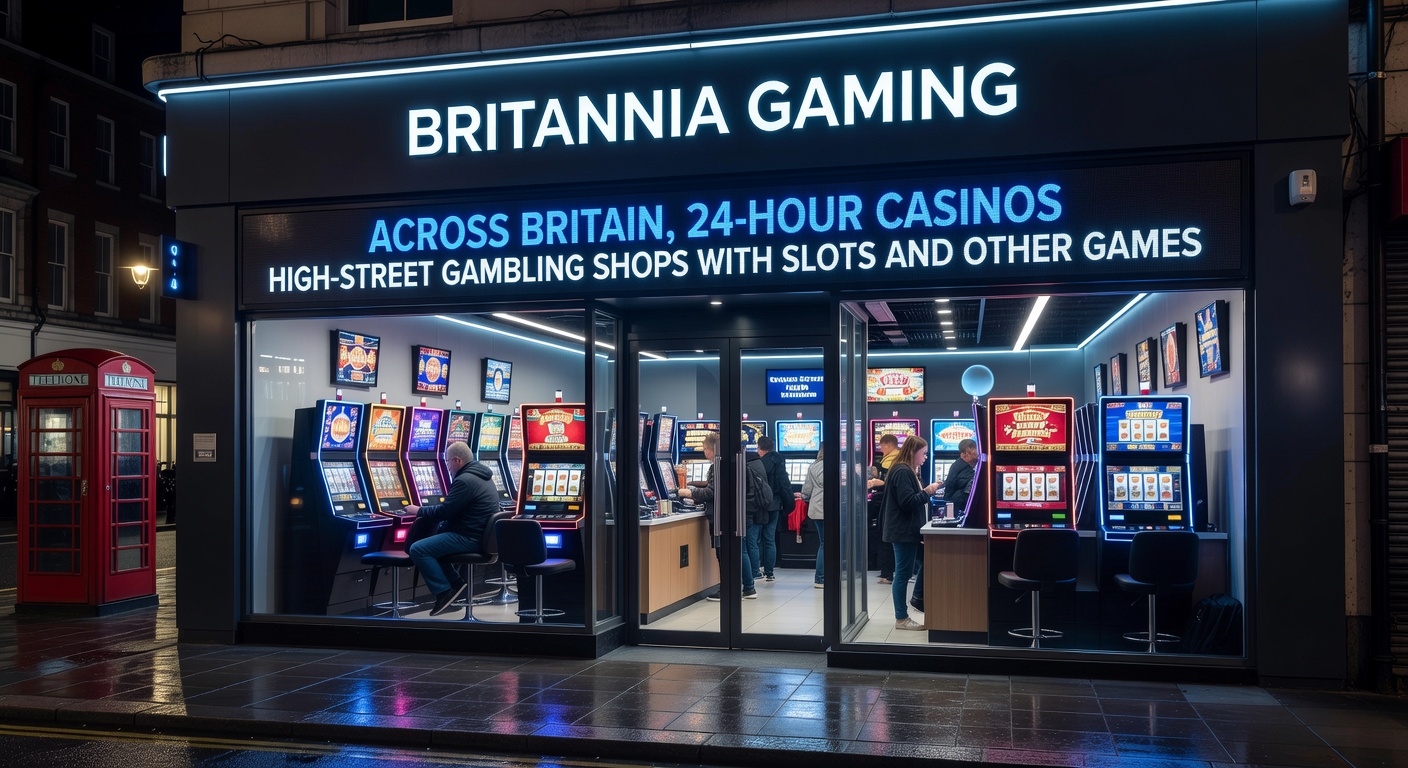
Among those highlights, 1.9 million adults played fruit machines or slots in the past four weeks, with 44% of that group opting for machines in bars, clubs, or pubs—a venue mix that's noteworthy because it blends social outings with quick-play gaming, and data indicates these settings remain a staple, drawing players who might not venture into full casinos but still fuel local GGY through coin-operated action.
Turns out, this slot-specific stat underscores a broader trend; while remote slots surge in the industry figures, physical fruit machines hold ground in everyday venues, where 44% prevalence means pubs and clubs aren't just serving pints—they're hubs for low-stakes spins, and researchers analyzing GSGB waves over time observe how such participation rates—stable at 48% overall—provide a reality check against revenue spikes, revealing that more yield doesn't always mean more gamblers but rather deeper engagement from the existing pool.
People who've studied these surveys point out the methodology too: GSGB Wave 3 draws from a nationally representative sample, pushing beyond self-reported biases with robust polling, so when it flags 1.9 million slot players, that's a solid count tying directly to the £4.3 billion GGY context, and it's no surprise that bars and clubs claim 44% of recent plays, given their accessibility compared to remote apps or high-street bookies.
Sector Breakdowns and What the Numbers Reveal
Connecting the dots between the two reports gets interesting; remote GGY's growth—propelled by casinos and lotteries—aligns with stable 48% participation, implying online channels are capturing repeat visits rather than swelling the player base, while non-remote slots in pubs (44% of recent fruit machine action) keep land-based yields ticking over without major volatility.
Consider this: the 6.6% GGY rise to £4.3 billion spans betting, gaming, and lottery verticals, but remote's lead means digital casinos—offering slots, blackjack, and roulette—are where operators see the sharpest margins; one study of prior quarters found similar patterns, where online lotteries added steady volume, complementing volatile casino plays, and although GSGB doesn't drill into remote vs. non-remote splits explicitly here, the 1.9 million slot figure bridges both worlds seamlessly.
Yet stability in participation at 48% carries weight; experts note it's hovered around there for waves now, resisting dips that might follow economic squeezes, and that's where pubs shine—44% of slot plays happening there suggests community venues act as a buffer, drawing casuals who boost GGY without needing high-roller apps, so as March 2026 progresses, these stats inform everything from licensing renewals to ad campaigns tailored to that steadfast 48%.
There's even a ripple to fruit machines specifically; with 1.9 million past-week players, mostly in social spots, the data hints at hybrid habits—someone spins in a pub one night, logs on remotely the next—fueling the overall 6.6% lift, and observers who've parsed Commission releases like clockwork say this quarter's combo of yield growth and participation plateaus sets the stage for measured expansion through 2026.
Broader Insights for Casinos and Gambling Trends
Now, zooming out on casinos: remote casino GGY's role in the remote surge positions them as growth engines within the £4.3 billion total; lotteries tag along for reliable volume, but slots—whether digital or pub-based—tie everything together, with 1.9 million players and 44% venue preference showing physical access still matters, even as online yields climb 6.6% overall.
The reality is, these February 2026 publications—covering July-September 2025—offer a snapshot that's proving timely into March; stable 48% participation means the industry's not chasing explosive new-user growth but optimizing for the loyal half, and GGY data confirms remote channels excel at that, particularly casinos where tech like live dealers keeps sessions sticky.
One researcher tracking longitudinal trends discovered parallel quarters often mirror this: yield pops from remote, participation flatlines, slots bridge the gap; it's not rocket science, but it explains why pubs hold 44% of fruit machine plays amid digital dominance, creating a balanced ecosystem that regulators monitor closely for player protection angles.
Conclusion
In wrapping up, the UK Gambling Commission's Q2 stats deliver clear signals—a £4.3 billion GGY up 6.6%, remote sectors like casinos and lotteries leading the charge, alongside GSGB Wave 3's rock-steady 48% adult participation and 1.9 million slot players (44% in bars, clubs, pubs)—painting an industry that's growing smarter, not just bigger; as March 2026 brings these figures into sharper focus, they stand as factual pillars for understanding performance and behavior, guiding stakeholders through the evolving UK gambling scene with data-driven precision.