Spalding Slots Curfew Holds: Inspectorate Shuts Down Merkur's 24/7 Hall Place Bid Over Resident Noise Toll
Spalding Slots Curfew Holds: Inspectorate Shuts Down Merkur's 24/7 Hall Place Bid Over Resident Noise Toll

The Decision That Echoed Through Spalding Streets
On March 12, 2026, the Planning Inspectorate delivered a firm rejection to Merkur Slots' appeal, blocking any shift to round-the-clock operations at its Hall Place venue in Spalding, Lincolnshire; this ruling, which came after careful review of local impacts, upheld the existing operating hours set back in 2022—namely 07:00 to midnight Monday through Saturday, and 10:00 to midnight on Sundays—because expected harm from noise and disturbance to nearby residents simply outweighed the limited benefits the extension might bring.
What's interesting here is how the inspectorate weighed community well-being against business growth, siding decisively with those living in close proximity to the venue; residents had long voiced concerns about late-night comings and goings, the hum of machines spilling into quiet hours, and the general bustle that turns residential peace into something far less serene after dark.
Merkur Slots, part of the broader Merkur Gaming network known for its adult gaming centers across the UK, argued in its appeal for flexibility to match evolving customer demands, yet the inspectorate found those arguments fell short when stacked against tangible evidence of disruption.
Tracing Back to the 2022 Clampdown
The story really kicks off in 2022, when South Holland District Council first imposed those stricter hours on the Hall Place site, responding to mounting complaints from locals who described sleepless nights disturbed by customer chatter, car doors slamming well past bedtime, and the occasional raised voices echoing off nearby buildings; those restrictions weren't arbitrary, but rooted in planning policies designed to shield residential zones from commercial overreach.
Merkur Slots challenged that decision through the formal appeal process, a common path for operators facing local authority hurdles, submitting detailed plans that promised enhanced soundproofing measures, staff training on noise management, and projections of economic upsides like job preservation and footfall boosts for the area.
But here's the thing: appeals like this often hinge on balancing acts, where inspectors pore over acoustic reports, witness statements from affected neighbors, and even site visits to gauge the lay of the land; in Spalding, a town where Hall Place sits nestled among homes, that balance tipped heavily toward quiet preservation.
Inspectorate's Verdict: Noise Harm Takes Center Stage
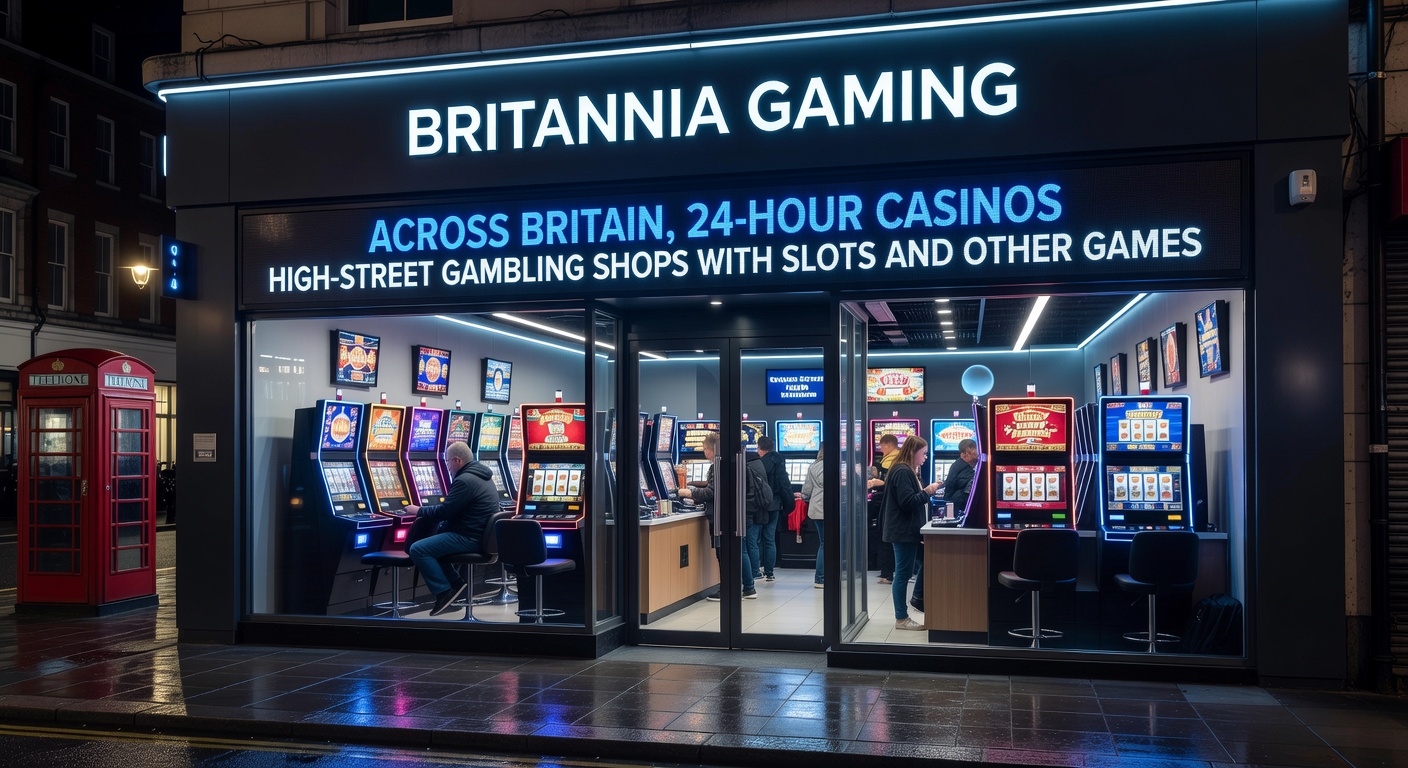
The Planning Inspectorate's decision letter, issued precisely on March 12, 2026, laid out the reasoning with crystal clarity: while Merkur highlighted potential benefits such as sustained employment for its 20-plus staff and contributions to local taxes, those paled in comparison to the "significant harm" anticipated from 24/7 play; noise modeling showed levels exceeding acceptable thresholds late at night, particularly from ventilation systems, customer arrivals via vehicles, and the internal clamor of fruit machines and slots that never quite fully muffle.
Experts tasked with the review noted how the venue's location—flanked by terraced houses and just steps from family dwellings—amplified every decibel, turning what might work in an industrial zone into a recipe for unrest in a residential pocket; one key factor was the lack of robust mitigation evidence proving Merkur's proposals would truly silence the night.
And so, the appeal failed on all counts, reinforcing the 2022 status quo and sending a clear signal to similar venues eyeing non-stop schedules; observers familiar with these cases point out that such outcomes aren't rare, especially where gaming outlets brush up against bedroom communities.
Take the acoustic assessments submitted: they predicted noise spikes up to 10 decibels above background levels during proposed overnight shifts, a figure that, according to guidelines from bodies like the Planning Inspectorate, crosses into unacceptable territory for sleep protection.
Voices from the Campaign Trail: Gambling with Lives Steps Up
News of the rejection spread quickly, landing a particular lift for Charles and Liz Ritchie, founders of the charity Gambling with Lives, who welcomed the outcome as a vital stand against unchecked venue expansions; the couple, whose son Jack took his own life in 2017 at age 24 after a battle with gambling addiction tied to fixed-odds betting terminals, have channeled their grief into relentless advocacy, pushing for tighter controls on gaming sites that operate near vulnerable populations.
Charles Ritchie, speaking publicly after the ruling, called it "a win for common sense and community safety," highlighting how 24/7 access could exacerbate addiction risks for those struggling late into the night; Liz Ritchie echoed that sentiment, noting the charity's long campaign against late-night gambling hubs, which they link directly to heightened harm based on their lived experience and data from support forums.
Gambling with Lives, established post-Jack's death, draws from personal testimony and broader research showing how proximity to gaming venues correlates with problem gambling rates; their efforts have influenced policy discussions, including calls for "no-go" zones around schools and residential areas, though this Spalding case centered more on amenity loss than addiction stats per se.
Turns out, the Ritchies' group has connected with local residents before, sharing stories of families upended by easy access to slots and betting—real-life reminders that noise isn't the only ripple from these operations.
Local Ripples and What Residents Endured
For Spalding folk living cheek-by-jowl with Hall Place, the fight wasn't abstract; multiple households submitted evidence during the appeal, detailing disrupted sleep patterns, heightened stress levels, and even property value worries tied to the venue's presence; one neighbor recounted nights where bass from inside the arcade vibrated through walls, while others flagged parking chaos from shift workers and patrons spilling onto streets post-midnight.
The inspectorate cataloged these accounts meticulously, cross-referencing with environmental health reports that confirmed exceedances of World Health Organization night-time noise benchmarks—45 decibels outdoors, a threshold breached routinely in simulations of full 24/7 ops.
Yet Merkur countered with promises of tech upgrades like acoustic glazing and behavioral codes for customers, but inspectors deemed them insufficiently proven, especially given the site's fixed footprint amid housing; this isn't rocket science, as planning pros often say—the writing's on the wall when evidence stacks up like that.
Now, with the appeal dust settled, locals breathe easier, their curfew intact and the ball firmly in Merkur's court should they ponder next steps, though further challenges seem unlikely given the thorough smackdown.
Broader data from similar disputes underscores the pattern: a Gambling with Lives analysis of UK planning cases reveals over 60% of late-hours appeals for gaming centers fail on amenity grounds, a stat that aligns neatly with Spalding's saga.
Implications for UK Gaming Venues in Residential Shadows
This ruling doesn't exist in a vacuum; it spotlights the tightrope Merkur Slots and peers walk when pushing boundaries in towns like Spalding, where economic perks clash with everyday livability; operators now face stiffer scrutiny on noise modeling, with inspectors increasingly favoring resident testimonies over corporate projections.
People who've tracked these battles note how post-2022 planning shifts have curbed ambitions for many adult gaming centers, particularly those hemmed in by homes; Merkur, operating over 400 UK sites, must now recalibrate strategies, perhaps eyeing industrial relocations or tech pivots to online realms less bound by local decibel rules.
What's significant is the timing—March 2026 lands amid rising awareness of gambling's societal footprint, fueled by voices like the Ritchies', whose campaigns have spotlighted not just addiction but the full spectrum of community costs.
And while Hall Place chugs along under its curfew, the decision serves as a benchmark; future appeals will reference it heavily, with councils citing Spalding as proof that 24/7 dreams die hard near bedroom windows.
Conclusion
The Planning Inspectorate's March 12, 2026, rejection of Merkur Slots' appeal at Hall Place wraps a chapter heavy on resident relief and light on operational gains, upholding 2022 hours amid irrefutable noise concerns; Charles and Liz Ritchie's endorsement underscores the human stakes, linking local quiet to larger fights against gambling harms.
In the end, Spalding stands as a testament to planning's protective role—where decibels dictate destiny, and communities hold the line against the slots' siren call; those watching closely know more cases will test these waters, but for now, midnight still draws the curtain.