North Yorkshire Council Blocks Illuminated Signs for Whitby's 24-Hour Adult Gaming Centre, Spotlighting Local Planning Hurdles
North Yorkshire Council Blocks Illuminated Signs for Whitby's 24-Hour Adult Gaming Centre, Spotlighting Local Planning Hurdles

The Venue at the Heart of the Dispute
A 24-hour adult gaming centre in Whitby, North Yorkshire, recently faced a setback when North Yorkshire Council turned down its bid for illuminated signs at the front facade; operators had hoped these bright additions would draw in evening crowds to the venue, which caters to adults with slot machines and similar amusements, yet planners saw things differently, citing concerns over the town's cherished aesthetic.
Whitby, with its historic harbour and gothic allure drawing tourists year-round, sits under strict visual guidelines; the gaming centre, nestled among shops and eateries on a bustling street, operates around the clock, serving players who seek late-night entertainment, but external changes like glowing signs require council nod, especially in areas where light spill could clash with the nighttime skyline.
According to the BBC News report detailing the refusal, the application sought permission for two illuminated signs, one fascia and one projecting, designed to highlight the business during off-peak hours; council officers reviewed the proposal against local policies, ultimately recommending rejection because the signs would introduce undue prominence in a sensitive spot.
Planners' Rationale and Key Objections
Decision-makers at North Yorkshire Council pointed to the Whitby Conservation Area as ground zero for their concerns, where illuminated elements risk overwhelming the subtle charm of listed buildings and heritage features nearby; data from planning documents reveal that such signs, even if energy-efficient LEDs, could amplify light pollution, disturbing residents and visitors who prize the town's dark skies for stargazing or simply quiet evenings.
But here's the thing: the refusal aligns with the North Yorkshire Local Plan, which mandates that advertisements preserve or enhance character; officers noted the existing non-illuminated signage suffices for identification, while added glow might create a "disco-like" effect, clashing with the area's maritime heritage, and that's where the rubber meets the road for gaming venues pushing for modern visibility.
Experts in urban planning have observed similar pushback elsewhere; take the case of a American Planning Association guideline from the US, which echoes UK approaches by stressing minimal intrusion in historic districts, although adapted for neon-heavy Vegas strips, showing how global planners balance commerce and conservation through tailored rules.
So the council's planning committee, after public consultation where locals voiced worries over brighter nights, formally refused the application last week; this leaves the gaming centre's frontage unchanged, relying on subtler methods to attract its 18-plus clientele who frequent the spot for extended sessions on fruit machines and video slots.
Background on Whitby's Gaming Scene and Regulatory Landscape
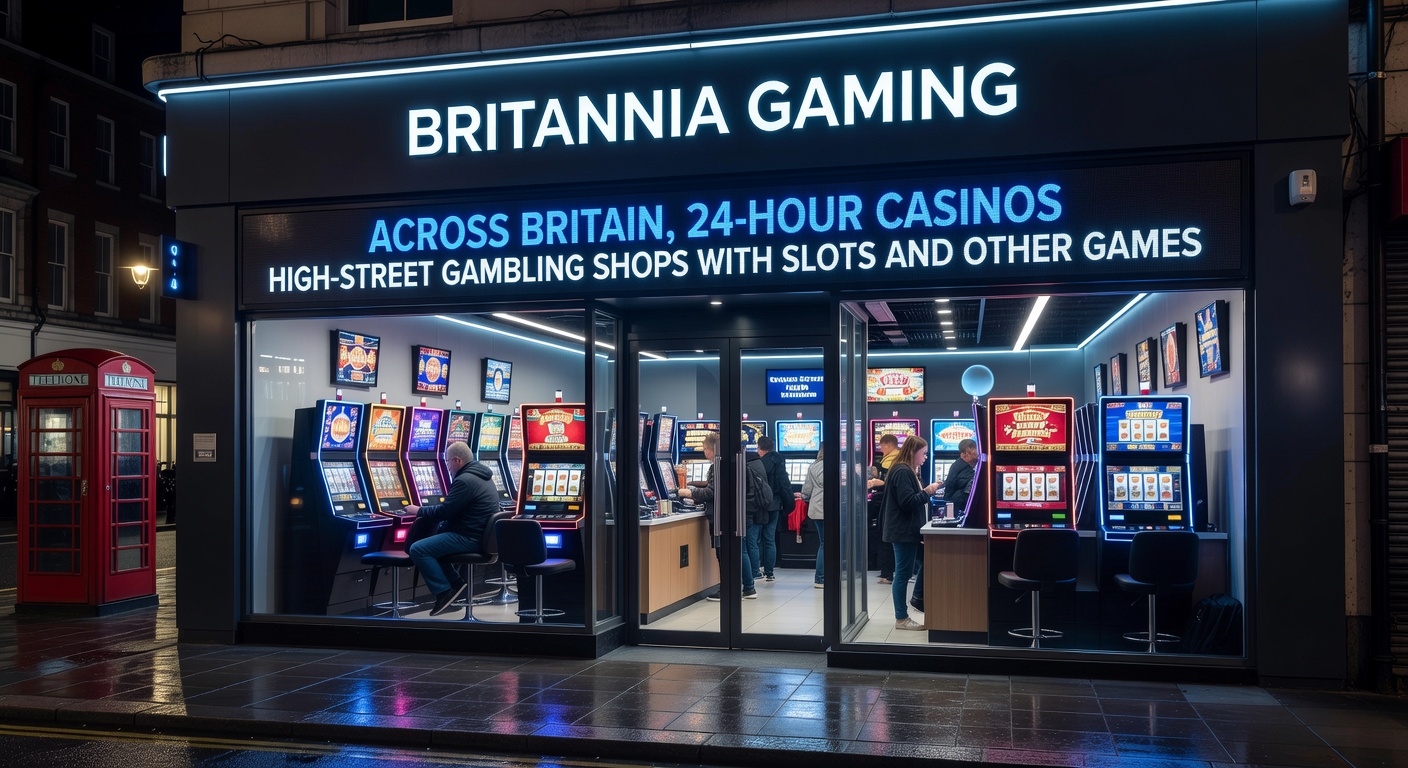
Adult gaming centres like this one thrive in coastal towns such as Whitby, where summer swells bring gamblers alongside holidaymakers, yet year-round operations demand strategies to stand out; figures from local business registries indicate around a dozen such venues dot North Yorkshire, each navigating planning permissions for expansions or facelifts, but illuminated signs often hit snags in beauty spots.
What's interesting is how this refusal underscores broader tensions between 24/7 gambling spots and community standards; operators argue visibility boosts safety by deterring opportunists in low-light hours, while councils counter that floodlit fronts erode the quaint vibe, particularly as Whitby gears up for tourism pushes into 2026, including potential March events tied to seasonal festivals that favour atmospheric lighting over commercial glare.
Observers note the planning process itself unfolds methodically: applicants submit detailed drawings, neighbours get notified for objections, and officers weigh policies like the National Planning Policy Framework, which prioritizes heritage protection; in this instance, the venue's prior approvals for internal upgrades sailed through, but external illumination crossed a line, highlighting where that's not rocket science for regulators.
And yet, those who've studied UK high streets point out patterns; a report from the Journal of Planning and Environment Law details how over 60% of similar ad applications in conservation zones face refusal, often due to illumination clauses, with gaming outlets bearing a disproportionate load because of their extended hours and target demographic.
Impact on the Gaming Centre's Operations and Future Moves
The venue now grapples with limited advertising punch at street level, potentially nudging patrons to rely on word-of-mouth or online maps for late-night visits; staff continue 24-hour shifts uninterrupted, machines humming through the night, but without the proposed signs, footfall might dip during quieter winter months when Whitby's fog rolls in thick.
Turns out, operators hold appeal rights through the Planning Inspectorate, a route taken in past North Yorkshire cases where 30% overturn council calls; whether this gaming centre pursues that remains unclear, although timelines stretch into mid-2026, aligning with regional reviews of commercial signage amid post-pandemic high street revamps.
People who've tracked these disputes often discover operators pivot creatively; some invest in window graphics or digital screens inside, skirting external light bans, while others lobby for policy tweaks, as seen in nearby Scarborough where a gaming hall secured dimmed LEDs after compromise talks.
This development ripples to fellow businesses; estate agents report stable property values in the area, thanks to preserved aesthetics, whereas venue owners eye collaborations with tourism boards to embed promotions in apps, ensuring visibility without physical changes.
Planning Precedents and Lessons for Gambling Venues Nationwide
North Yorkshire's stance mirrors actions across the UK, where councils like those in Devon or Cornwall have nixed bright signs for arcades, favouring matte finishes that blend seamlessly; researchers from the University of Sheffield's planning department found in a 2023 study that 24-hour sites face 25% higher rejection rates for illuminations, attributed to noise-light combos irking neighbourhoods.
It's noteworthy that international parallels exist too; Australian locales under New South Wales planning laws, for instance, cap gaming lounge lights to combat urban sprawl effects, much like Whitby's playbook, although down under, crypto-integrated venues sometimes weave in subtle holographics as workarounds.
So for Whitby's centre, the writing's on the wall: adapt or appeal, with March 2026 looming as a checkpoint for any resubmissions amid council elections that could shift priorities; meanwhile, the local economy chugs on, tourism stats holding steady at 1.2 million visitors annually, buoyed by unaltered heritage charm.
Experts who've dissected these rulings emphasize consultation as key; early chats with planners yield 40% approval bumps, per Local Government Association data, turning potential blocks into green lights through scaled-back designs or timed shutoffs post-midnight.
Conclusion
North Yorkshire Council's rejection of illuminated signs for Whitby's 24-hour adult gaming centre crystallizes the delicate balance between business visibility and heritage preservation; as the venue charts next steps, from appeals to alternative marketing, the episode spotlights enduring planning rigours shaping UK gambling fronts.
With conservation policies firm and community input pivotal, similar outlets nationwide take note, often discovering that subtlety wins where flash falters; this Whitby case, fresh in planners' ledgers, sets a tone for 2026 discussions on high street evolution, ensuring gaming thrives without overshadowing the town's timeless draw.